
Imported vs. Domestic Cars: Which One Is the Better Deal?
Looking beyond the badge to understand the true costs of parts, maintenance, and long-term value.

The debate between buying an imported car versus a domestic one is as old as the global auto industry itself. Imported cars often carry an allure of exotic design, specialized engineering, or a certain brand prestige. Domestic cars, on the other hand, promise familiarity, easy maintenance, and patriotic pride. But when it comes to your wallet, which one is actually the better deal?
The answer isn’t just about the sticker price. It’s a complex equation involving hidden costs, long-term maintenance, and future value. Let’s break down the key factors to consider before you decide where your next car should come from.
1. Purchase Price and Import Costs
For a vehicle to be sold in a country, it must meet local safety and emissions standards. Domestic cars are built from the ground up to meet these rules. Imported cars, however, often need to be certified or modified, adding to their cost. Furthermore, they are subject to shipping fees, import duties, and taxes that domestic cars don’t face. This usually makes an imported car more expensive than a comparably sized and equipped domestic model.
Verdict: Domestic. With no import taxes or international shipping costs baked into the price, domestic cars almost always offer a better deal on the showroom floor.
2. Parts Availability and Cost
This is arguably the biggest long-term difference. For domestic cars, parts are produced or warehoused locally. This means they are generally cheap, plentiful, and can be delivered to a workshop within a day. For an imported car, especially a less common or luxury model, the story is different. A simple component might need to be ordered from a factory halfway across the world, leading to long, frustrating waits and significantly higher shipping costs.
Verdict: Domestic. The ease and low cost of sourcing parts for domestic vehicles give them a massive advantage in long-term ownership. Waiting weeks for a part to arrive for an imported car can be a major headache.
3. Maintenance and Repairs
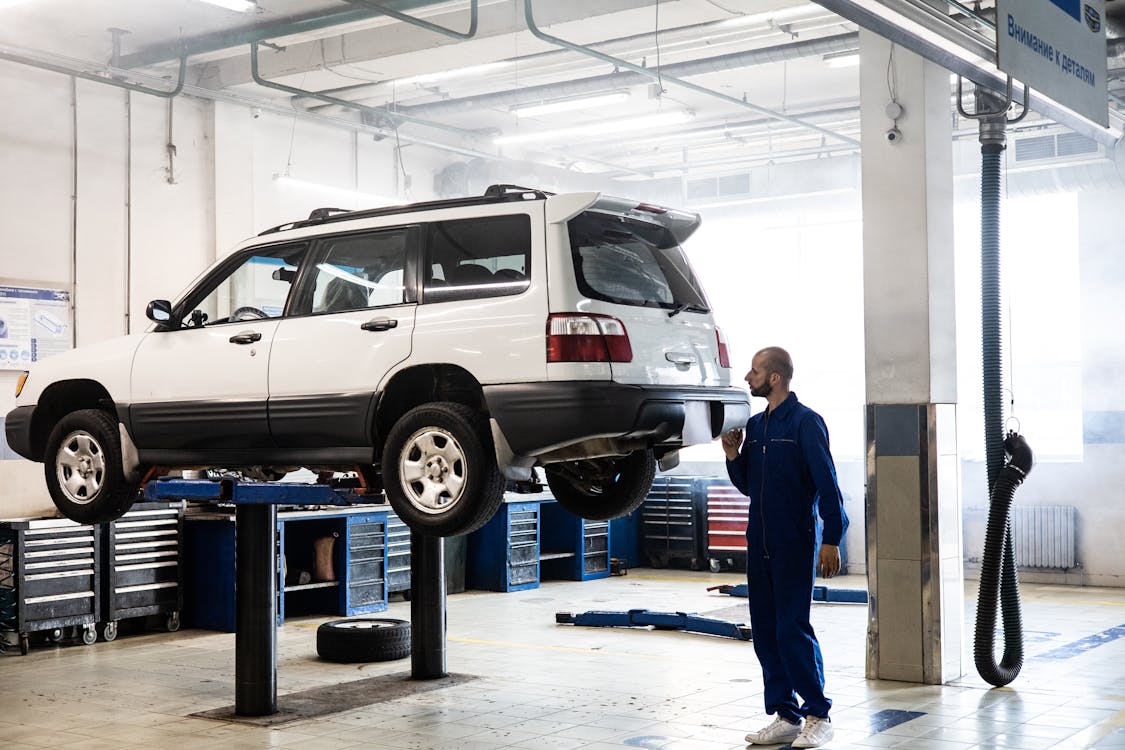
Any competent local mechanic can likely service a domestic vehicle. The tools, diagnostic software, and repair procedures are common knowledge. However, many imported cars, particularly from European luxury brands, require specialized diagnostic equipment, unique tools, and technicians with specific training. This means you can’t just take it to any workshop. You’ll often be limited to more expensive dealerships or specialist mechanics, leading to higher labor costs for even routine jobs.
Verdict: Domestic. The flexibility of being able to choose from a wide range of workshops for service and repairs makes owning a domestic car much more convenient and affordable.
4. Resale Value
Resale value can be a double-edged sword. Domestic cars often have a predictable and stable depreciation curve. Everyone knows them, so there’s always a market.
Imported cars are more volatile. Mainstream imports known for reliability (like a Toyota in the U.S. or a Volkswagen in Brazil) can have fantastic resale value. However, luxury or niche imported models can depreciate incredibly fast because potential used buyers are scared off by the high maintenance and parts costs you’ve just read about. On the flip side, a rare, enthusiast-focused imported car could potentially hold its value well or even appreciate over time.
Verdict: It depends. A reliable, mass-market imported car can be a great investment. A niche luxury import is often a poor one from a resale perspective. Domestic cars are usually a safe, predictable middle ground.

So, What’s the Better Deal?
For the average driver focused on practicality and budget, a domestic car is almost always the better financial deal. The lower purchase price, combined with cheaper and more accessible parts and service, creates a total cost of ownership that is very hard for an imported vehicle to beat.
However, cars aren’t always a logical purchase. If you have a passion for a specific imported model, are prepared for the higher running costs, and have access to a good specialist mechanic, the enjoyment it brings can be worth the extra expense. The key is to go into the purchase with your eyes wide open, fully aware of the long-term financial commitments involved.
For more in-depth information on automotive technologies, maintenance tips, and vehicle safety, you can refer to trusted sources like MotorTrend, Autocar, and the National Highway Traffic Safety Administration (NHTSA). These resources provide expert insights and up-to-date guidance for car enthusiasts, helping you make informed decisions and stay current with industry developments.