
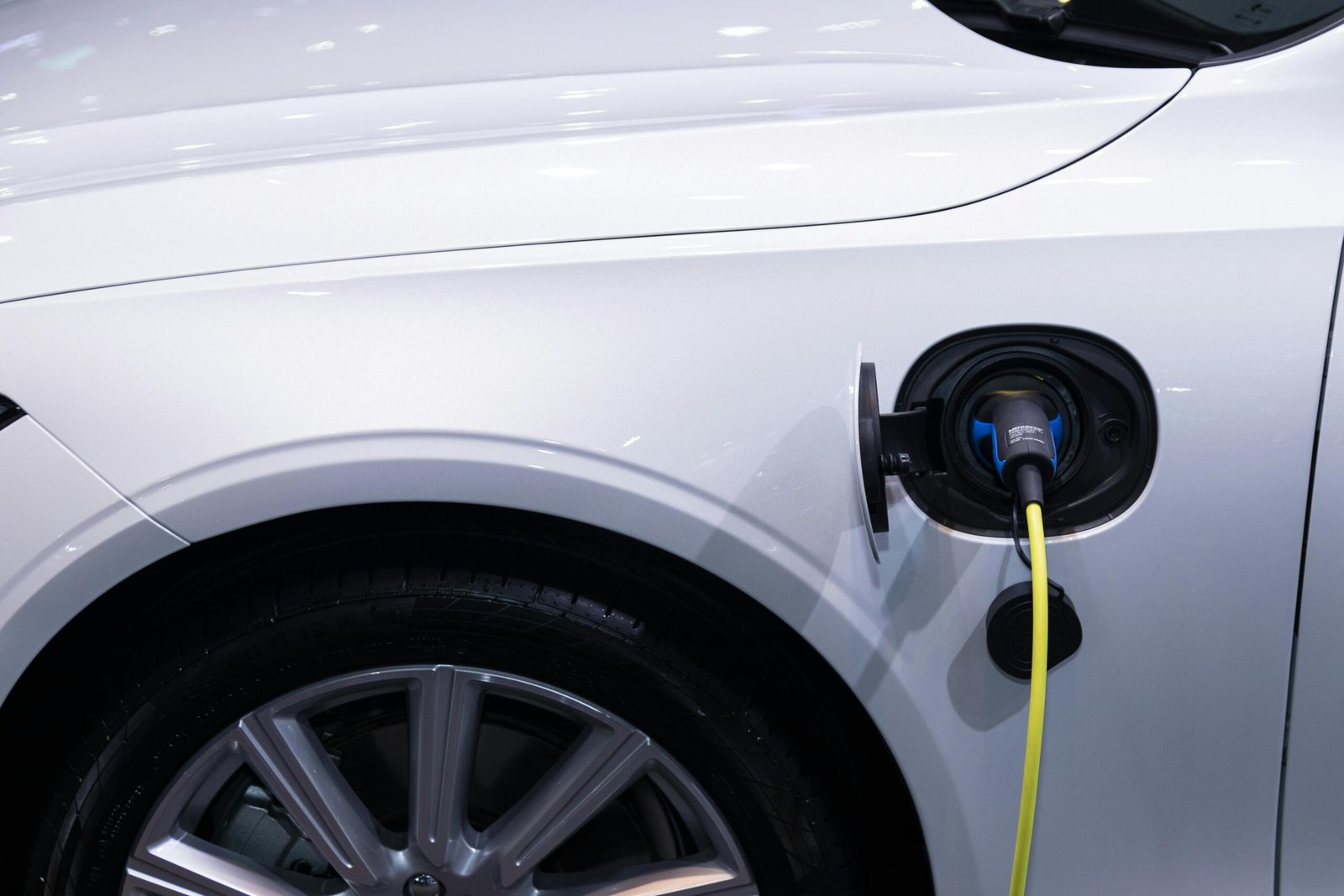
Electric vs. Hybrid Cars: Which One Is Worth It?
The automotive world is at a crossroads. The hum of electric motors is steadily replacing the roar of combustion engines, but the path to a fully electric future isn’t a straight line. Standing prominently on this path are two choices: the all-electric vehicle (EV) and the hybrid. Both promise better efficiency and a smaller carbon footprint, but they deliver it in very different ways.
Choosing between them can be confusing. It’s not just about being eco-friendly; it’s a major financial decision that involves costs, convenience, and long-term value. Let’s break down the key factors to determine which one is truly worth it for you.
The Head-to-Head Comparison
1. Purchase Price & Government Incentives
Initially, EVs often have a higher sticker price than comparable hybrid or gasoline-powered cars, largely due to the cost of their battery packs. However, this gap is shrinking. Hybrids, having been on the market longer, tend to be more affordable upfront. The game-changer here is government incentives. Many countries and states offer significant tax credits, rebates, or grants for purchasing a new EV, which can dramatically lower its effective cost, sometimes making it cheaper than a hybrid.
Verdict: Hybrids generally win on the initial sticker price, but after factoring in potential EV incentives, the costs can become very competitive. You must research the specific grants available in your region.
2. “Refueling” & Infrastructure
This is where the lifestyles diverge. EV owners do most of their “refueling” at home, plugging in overnight for a full battery in the morning—a major convenience. However, for long trips, they rely on a public charging network that is still growing and can sometimes be unreliable. Charging also takes longer than a 5-minute gasoline fill-up.
Hybrids offer the best of both worlds. They have a smaller battery that can be charged for short electric-only trips (in the case of Plug-in Hybrids, or PHEVs), but they also have a gasoline engine. This means you can use any of the millions of gas stations worldwide, completely eliminating “range anxiety.”
Verdict: For convenience and long-distance travel without planning, Hybrids have a clear advantage due to the extensive existing gas station infrastructure.
3. Running Costs & Maintenance
This is where EVs shine. Electricity is, in most places, significantly cheaper per mile than gasoline. Furthermore, EVs have far fewer moving parts. There are no oil changes, spark plugs, timing belts, or exhaust systems to maintain. Their primary maintenance items are tires, brakes (which wear slower due to regenerative braking), and cabin air filters.
Hybrids are more efficient than traditional cars but still have a full combustion engine that requires regular oil changes, filter replacements, and all the standard maintenance that comes with it, in addition to their electric components.
Verdict: Electric Cars are the undisputed winners in lower running and maintenance costs. The savings over several years can be substantial.
4. Driving Range
“Range anxiety”—the fear of running out of power before reaching a charger—is a major concern for potential EV buyers. While modern EVs now offer ranges of 250-400 miles (400-650 km) or more, this can be affected by factors like cold weather, high speeds, and using the heater or A/C.
Hybrids don’t have this problem. Their combined gasoline and electric range often exceeds 500 miles (800 km), and refueling is quick and easy. This provides a level of freedom and spontaneity that EVs are still working to match for all drivers.
Verdict: For ultimate flexibility and eliminating range anxiety, Hybrids still hold the edge.
5. Resale Value
This is a rapidly changing landscape. In the past, the resale value of EVs was a major concern due to fast-evolving battery technology and degradation worries. However, as technology has improved and demand has soared, the resale value of many popular EV models has become very strong, sometimes outperforming their gasoline counterparts.
Hybrids, particularly from trusted brands like Toyota, have a long-established reputation for reliability and hold their value extremely well. They are seen as a safe, dependable choice in the used car market.
Verdict: It’s a Tie, but it depends heavily on the model. Both popular EVs and reliable hybrids now have strong resale values. Research the specific models you are considering.

So, Which Is Right for You?
The “worth it” question doesn’t have a single answer; it depends entirely on your lifestyle.
- An Electric Car (EV) is likely worth it if you can charge at home, your daily commute is well within the car’s range, you want the lowest possible running costs, and you have access to a decent public charging network for occasional long trips.
- A Hybrid Car is likely worth it if you live in an apartment without charging access, frequently take long, spontaneous road trips, want a single car that can do everything without compromise, or if you’re not quite ready to go fully electric.
Both are excellent steps away from traditional gasoline cars. The best choice is the one that seamlessly fits into your life, budget, and driving habits.
Facebook
Twitter
LinkedIn
Email