
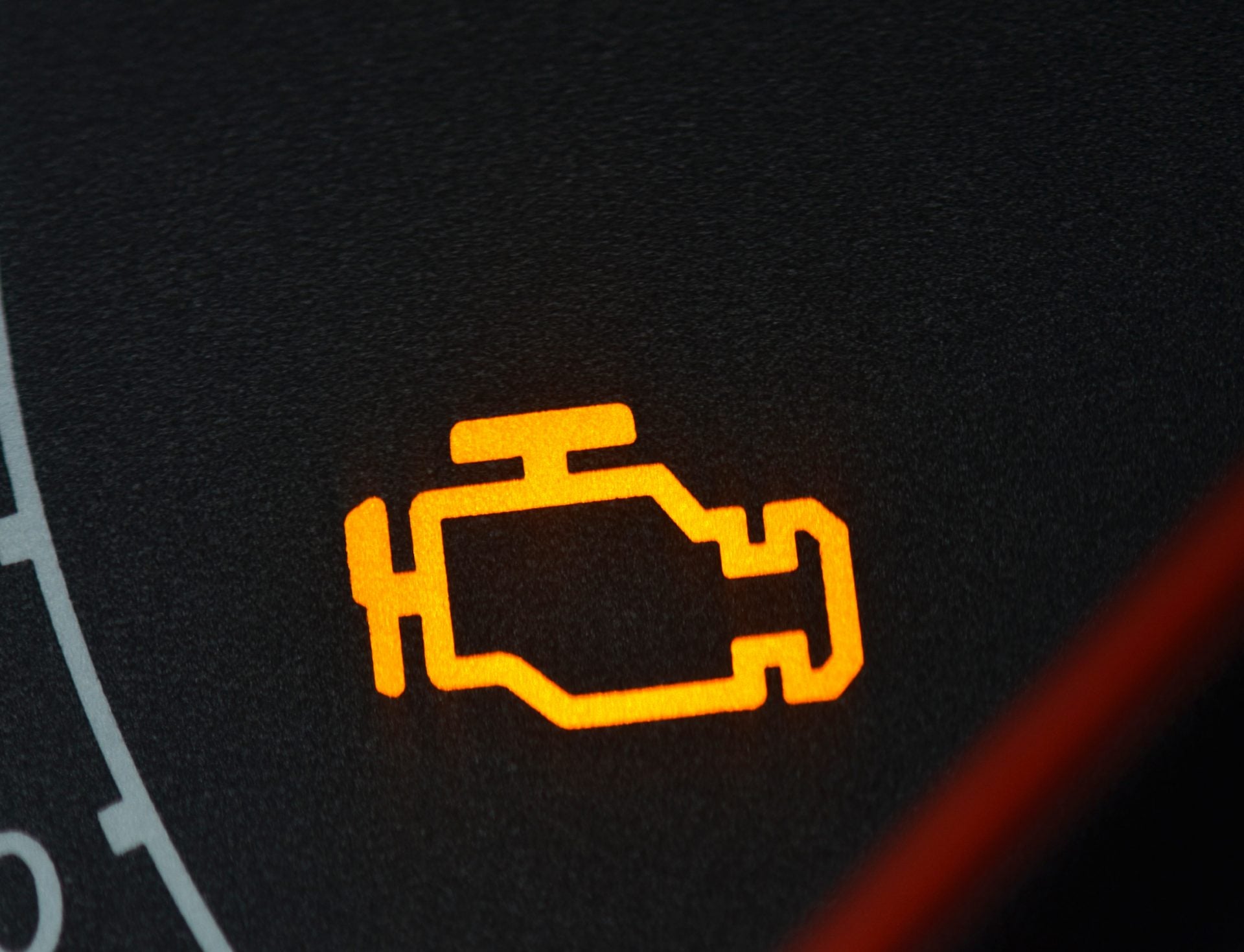
- It’s a moment every driver dreads: you’re driving along, and suddenly, a small, amber-colored engine icon lights up on your dashboard. The Check Engine Light. It can cause instant panic, but it doesn’t always mean a catastrophic failure is imminent.
- As mechanics, we see this every day. The check engine light is your car’s way of telling you that its onboard computer system has detected a problem. The issue could be as simple as a loose gas cap or something that requires more immediate attention. Understanding the common causes can help you know what to do next.
- Top 5 Common Causes for a Check Engine Light
- Here are some of the most frequent issues that trigger the light, ranging from simple fixes to more complex problems.
-
1. Loose or Faulty Gas Cap
- This is the simplest and most common cause. The gas cap is a crucial part of the fuel vapor recovery system. If it’s loose, broken, or missing, fuel vapors can escape, and the system will trigger the warning light.
- What to do: First, check if your gas cap is tight. If you tighten it and the light doesn’t turn off after a few trips, the cap’s seal might be bad, and it may need replacement.
-
-
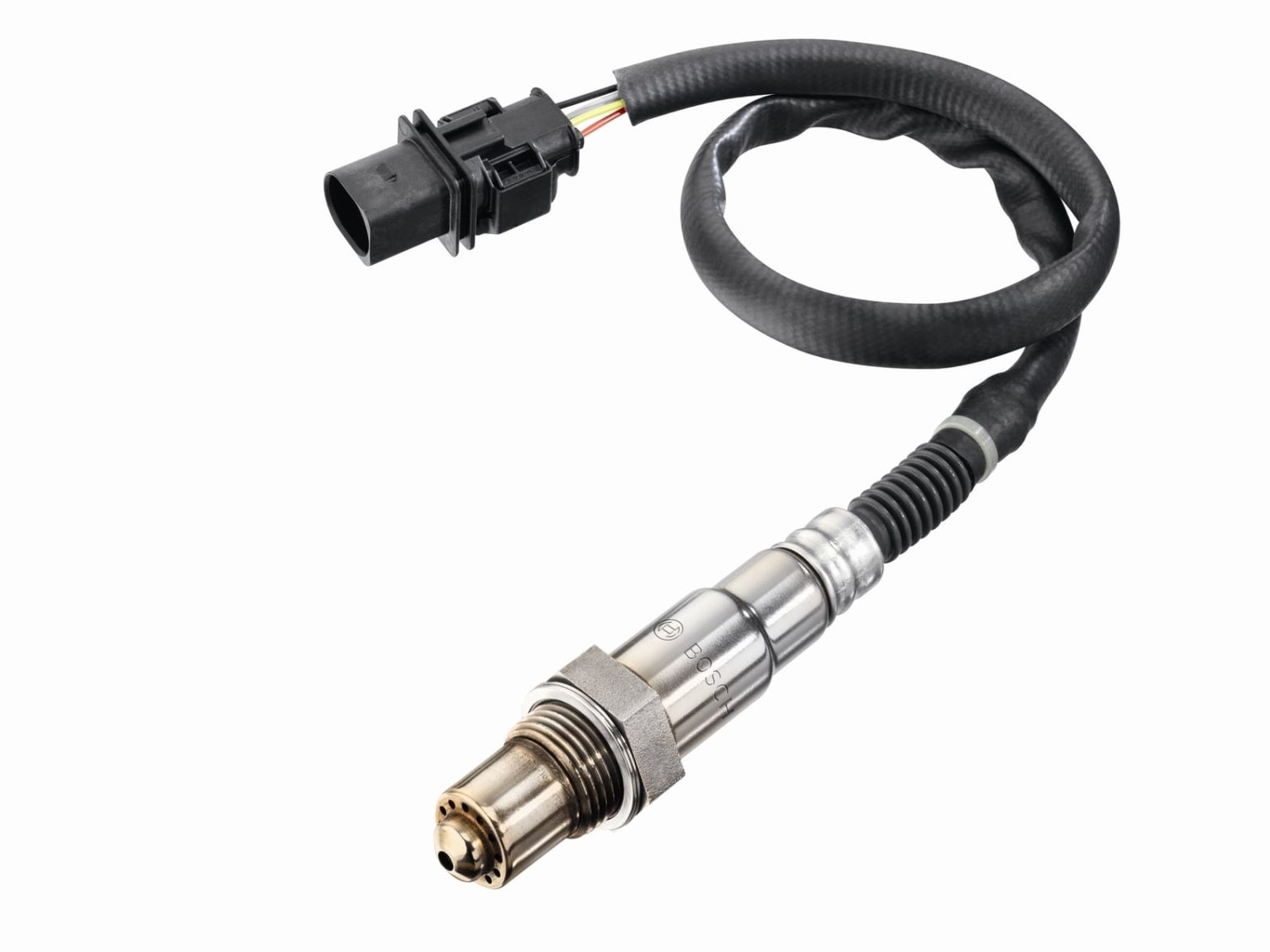
2. Failing Oxygen (O2) Sensor
- The O2 sensor measures the amount of unburned oxygen in your car’s exhaust system. This data helps determine how much fuel to inject into the engine. A failing sensor can’t provide the right data, leading to decreased fuel economy and increased emissions.
- Why it matters: Ignoring a faulty O2 sensor can eventually damage expensive components like your catalytic converter.
-
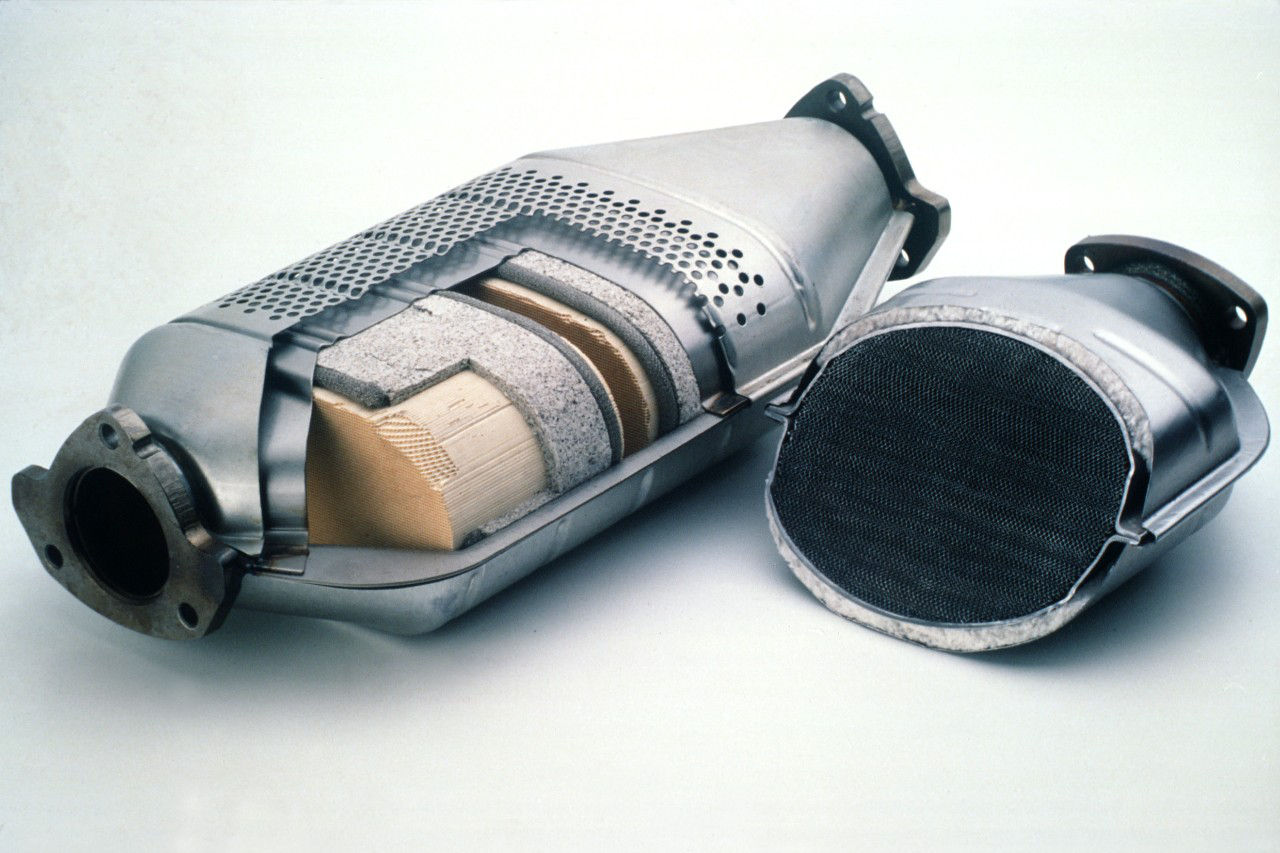
3. Catalytic Converter Issues
- The catalytic converter is a vital part of your exhaust system that turns harmful carbon monoxide into less harmful carbon dioxide. It usually only fails when another problem, like a bad O2 sensor or faulty spark plugs, is ignored.
- Why it matters: This is a critical component for passing emissions tests, and replacing it can be expensive. Regular maintenance helps prevent this issue.
-
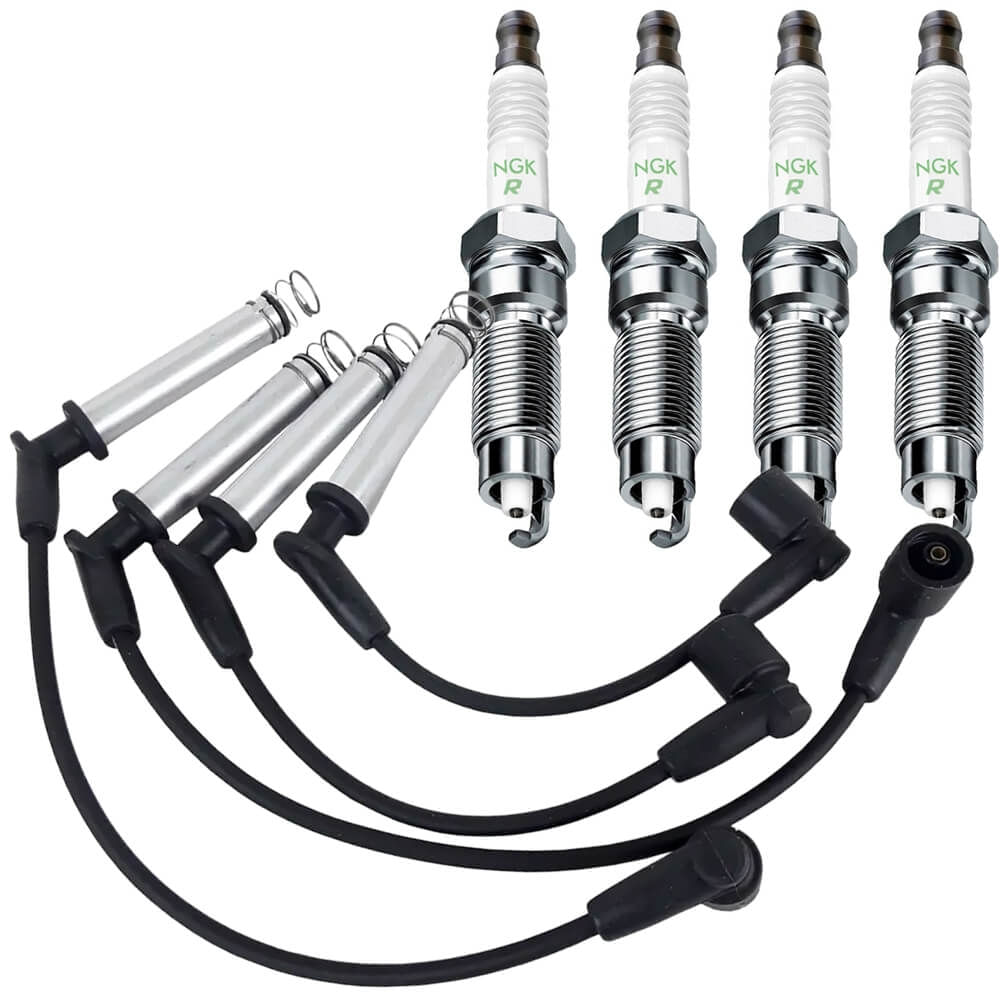
4. Old Spark Plugs or Wires
- Spark plugs ignite the air/fuel mixture in the combustion chamber. If they are worn out, they can misfire, which means the combustion is not happening correctly. This can reduce your car’s power and fuel efficiency.
- What to do: Spark plug replacement is a part of routine maintenance and is relatively inexpensive.
-
-
5. Mass Airflow Sensor (MAF) Failure
- The MAF sensor measures the amount of air entering the engine to determine how much fuel is needed. A faulty sensor can cause the engine to run too rich (too much fuel) or too lean (too little fuel), leading to rough idling, stalling, and poor performance.
- What Should You Do When the Light Comes On?
- Don’t Panic: If the light is steady (not flashing) and the car is driving normally, there’s no need to pull over immediately.
- Check the Gas Cap: As mentioned, it’s the easiest first check.
- Notice Any Changes: Is the car running rough? Are you getting poor gas mileage? Make a note of any symptoms.
- Get a Diagnostic Scan: The most important step is to have the code read. Every auto shop, including ours, has a diagnostic scanner that plugs into your car and reads the specific error code that triggered the light. This tells us exactly where to look.
- IMPORTANT: If the check engine light is FLASHING, it indicates a serious problem (like an engine misfire that could damage the catalytic converter). In this case, you should reduce your speed and get to a mechanic as soon as possible.
- We Can Help
-
The check engine light is a warning, not a diagnosis. The best way to know for sure what’s wrong is to bring your vehicle to a professional. At PRO AUTO MECÂNICA, we have the tools and expertise to diagnose the problem accurately and get you back on the road with confidence.
For more in-depth information on automotive technologies, maintenance tips, and vehicle safety, you can refer to trusted sources like MotorTrend, Autocar, and the National Highway Traffic Safety Administration (NHTSA). These resources provide expert insights and up-to-date guidance for car enthusiasts, helping you make informed decisions and stay current with industry developments.